[email protected] +91 772-2987-077
Mob rule

Mob rule: On migrants, rising hate crimes in India. 

The bogey of infiltration is resulting in hate crimes across India. 

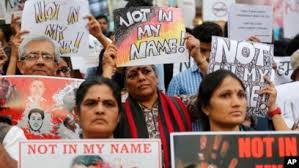
In the closing weeks of 2025, a series of violent incidents across India exposed a disturbing pattern of mob violence directed at migrants who were labelled foreigners — Bangladeshis and Chinese — by their attackers. In these cases, the three victims were Indian citizens from various parts of the country. Suspicion based on language, region, appearance or presumed nationality is escalating into mob violence in different regions. This is extremely worrying and the police must act strictly. The political leadership in States and the Centre must make it clear that such violence is unacceptable. In Palakkad district, Kerala, Ram Narayan Baghel, a 31-year-old migrant worker from Chhattisgarh was lynched by a mob on December 17. Baghel was accused of theft and repeatedly questioned about his identity, with his attackers allegedly asking him whether he was “Bangladeshi” before beating him to death. Kerala is heavily dependent on migrant labour, and prides itself on its high levels of education and law and order. The lynching is a blot on its reputation. On December 24, in Sambalpur in Odisha, a young migrant worker from West Bengal was beaten to death by a mob that accused him of being a “Bangladeshi”. Juel Sheikh, a daily wage labourer, was confronted at a tea stall by unidentified persons who demanded his identity documents and accused him of being an illegal Bangladeshi immigrant. Two days later, in another incident from Odisha, a Bengali-speaking street vendor from West Bengal was assaulted

In Tamil Nadu, a man from Odisha was attacked while travelling on a train, in Tiruvallur district, by juveniles armed with machetes and sickles. The assault was filmed and circulated on social media. In Dehradun, on December 28, Anjel Chakma, a 22-year-old student from Tripura, was stabbed by a group that had allegedly hurled racial slurs at him and his brother. He died in hospital later. People from the northeastern States are often treated as perpetual outsiders in other parts of India; Chakma was called “Chinese” by his attackers. These are not isolated incidents: they occur amid numerous other cases of mob intimidation, sometimes targeting worshippers of minority communities, at other times, even young students celebrating a friend’s birthday. The police in the States have responded to these horrible crimes by making some arrests, but that is not sufficient. The Bharatiya Janata Party (BJP) has turned its incendiary campaign against “illegal infiltration” from Bangladesh as a central plank in the forthcoming Assembly elections in Assam and West Bengal. It is no coincidence that mobs across the country feel emboldened to raise this bogey at random against helpless people. The BJP should realise the dangers of its campaign and restrain itself.

-

Bogey (noun) – Fear, scare, specter, menace, threat

भय/ हौआ

-

Infiltration (noun) – Penetration, invasion, incursion, intrusion, entry
घुसपैठ

-

Result in (phrasal verb) – Lead to, cause, bring about, produce, generate

के परिणामस्वरूप होना

-

Expose (verb) – Reveal, uncover, disclose, unveil, unmask

उजागर करना

-

Direct (verb) – Guide, lead, manage, oversee, supervise

निर्देशित करना


-

Label (verb) – Tag, classify, designate, categorize, mark

लेबल लगाना

-

Suspicion (noun) – doubt, mistrust, skepticism, wariness, distrust

संदेह

-

Presume (verb) – Assume, suppose, take for granted, believe

मान लेना

-
Escalate
(verb) – Intensify, amplify, increase, magnify, heighten

बढ़ाना

-

Make clear (phrase) – to say something in a way that is very easy to understand

स्पष्ट करना

-

Lynch (verb) – execute, kill, slay, murder, assassinate

गैर–कानूनी तरीके से मार डालना

-
Accuse (of) (verb) – blame, incriminate, denounce, impeach

आरोप लगाना

-
Theft (noun) – Stealing, robbery, larceny, pilferage, burglary

चोरी

-

Question (verb) – Challenge, dispute, doubt, interrogate, inquire

पूछताछ करना


-

Beat to death (phrase) – to hit someone repeatedly until they die

पीट–पीटकर मार डालना

-
Law and order
(noun) – peace and stability, civil order, public order

कानून व्यवस्था


-

Blot (noun) – Stain, blemish, mark, taint, smear

कलंक/ दाग


-

Confront (verb) – Face, challenge, oppose, meet head-on, tackle,

सामना करना

-

Assault (verb) – Attack, batter, strike, hit, assail
हमला करना

-

Juvenile (noun) – Young person, teenager, adolescent, minor, youth

किशोर


-
(be) armed (with) (adjective) – If you are armed with something, you know or have access to something that can be useful to you

से लैस होना

-

Machete (noun) – a large heavy knife used as a weapon or for cutting plants

एक प्रकार का बड़ा चाकू

-

Sickle (noun) – a tool with a short handle and a curved blade used for cutting grass or grain

हँसिया

-
Stab
(verb) – (of a person) thrust a knife or other pointed weapon into (someone) so as to wound or kill.

छूरा भोंकना

-
Allegedly
(adverb) – Supposedly, reportedly, purportedly, apparently, ostensibly

कथित तौर पर

-

Hurl (verb) – utter (abuse) vehemently.

जोर-जोर से बोलना (गाली देना)।

-
Racial
(adjective) – ethnic,  cultural, national, tribal

जातीय

-
Slur
(noun) – A derogatory or insulting term applied to particular group of people.

अपमानजनक शब्द

-

Perpetual (adjective) – Endless, eternal, unending, ceaseless, everlasting

निरंतर

-

Isolated (adjective) – Far away from other places, buildings, or people

अलग–थलग

-

Amid (preposition) – Among, in the midst of, surrounded by, during
के बीच में

Intimidation (noun) – bullying, coercion, threats, harassment, frightening

डराना-धमकाना

-


-

Horrible (adjective) – terrible, awful, dreadful, ghastly, miserable –

भयानक

-

Incendiary (adjective) – Provocative, inflammatory, agitating, stirring, contentious

भड़काऊ


-

Plank (noun) – a fundamental or main part of a political program or strategy

मुख्य आधार


-
Central
(adjective) – Principal, main, primary, pivotal, crucial

मुख्य

-
Forthcoming
(adjective) – Approaching, impending, imminent, upcoming, coming

आगामी

-
Coincidence
(noun) – chance, concurrence, fluke, happenstance

संयोग

-

Embolden (verb) – encourage, hearten, inspire, invigorate, animate

उत्साहित करना/साहस बढ़ाना

-

Helpless (adjective) – vulnerable, defenseless, powerless, weak, impotent

असहाय

-
Restrain
(verb) – curb, check, control, suppress, hold back

रोकना