At a crossroads: On Iran’s unrest, its re-engagement with the world.
Iran must initiate reforms and reengage with the world
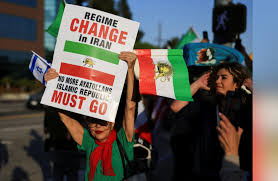
What began as a strike by shopkeepers in Tehran on December 28 against the sharp fall in the value of the Iranian rial, has snowballed into the largest nationwide protest Iran has witnessed since the 2022-2023 unrest triggered by the custodial death of Mahsa Amini. While the government has promised to address the economic grievances of the traders, it has also warned of a harsh response to “ rioters ”. At least 12 people have been killed in the past week with the protests spreading. This renewed cycle of unrest comes amid the deepening economic vulnerabilities and political risks confronting Iran’s theocratic state, just six months after it survived a fierce 12-day war with Israel. What makes the protests challenging for Iran’s rulers is the perceived involvement of foreign powers. Mossad, Israel’s spy agency, claimed, on December 29, that its operatives were present “in the field” with the protesters. On January 2, U.S. President Donald Trump, who had ordered strikes on Iranian nuclear facilities during the June 2025 war between Iran and Israel, threatened Iran that the U.S. was “locked and loaded” to use force if protesters were killed.
The Islamic Republic is facing immense economic strain. In October, food inflation hit 64%, the second highest after South Sudan. The rial has lost 60% of its value since the June war, while oil exports in 2025 fell by about 7% from its 2024 average. Power outages have become a daily reality. The severity of the crisis was underscored in December when President Masoud Pezeshkian said his government was “stuck” and could not perform “ miracles ” to fix the problems. As the economy deteriorates and external threats mount, the regime’s greater repression is creating a cycle of crisis. Mr. Pezeshkian has relaxed the grip of the morality police on public life. But when it comes to the economy or national security, his hands are tied. Washington’s policy of economic squeeze and threats is deepening the suffering of ordinary Iranians while turning the regime more paranoid. If the U.S. genuinely seeks to resolve the Iran problem, it should engage with and empower Mr. Pezeshkian, rather than threatening Tehran on Israel’s behalf. Iran’s rulers should also be open for reforms. The regime’s default response to any crisis has been to blame external forces, but it ignores a more fundamental reality. Years of shrinking economic opportunity and the erosion of political and personal freedoms have created a reservoir of public anger that could erupt. Religion and nationalism may no longer suffice in the face of an economic crisis. Iran’s leadership must initiate reforms, tackle corruption and re-engage with the world.